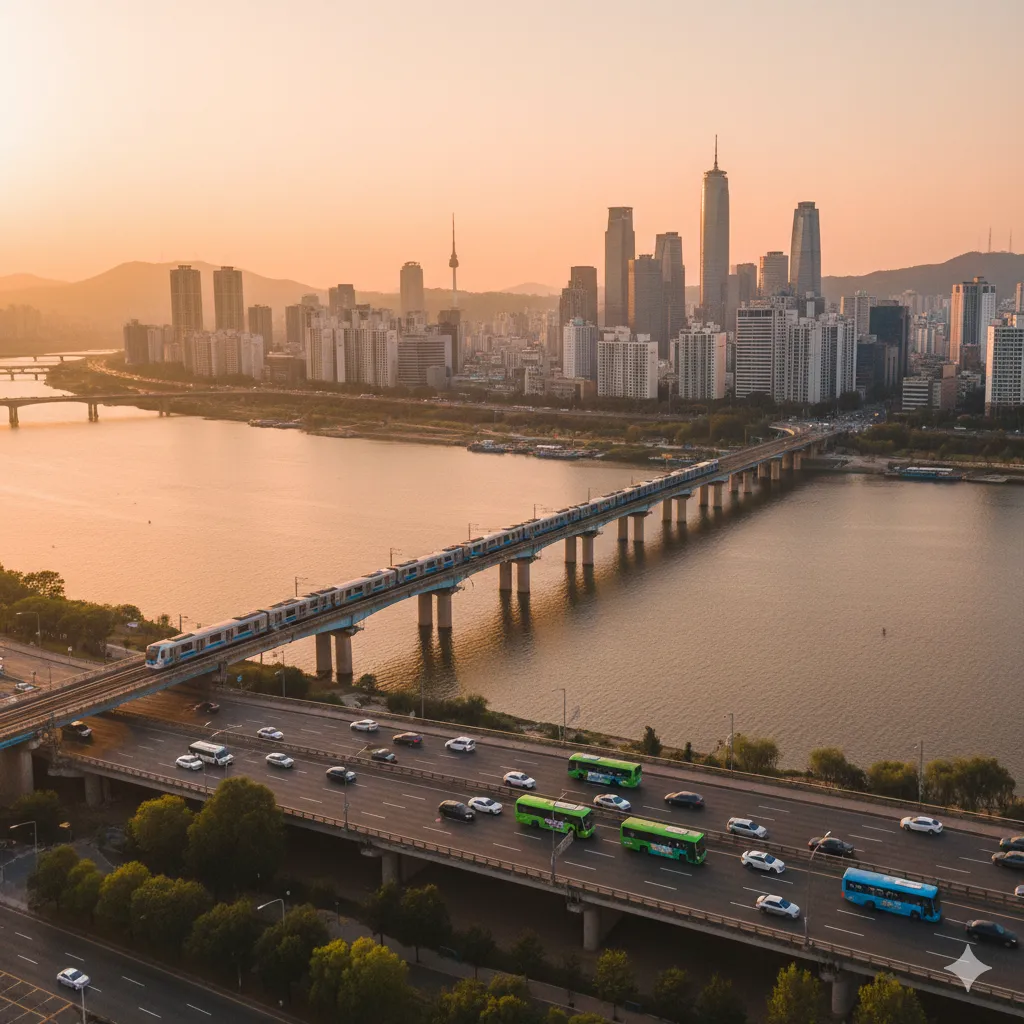
Korea’s Weather & What to Wear Each Season
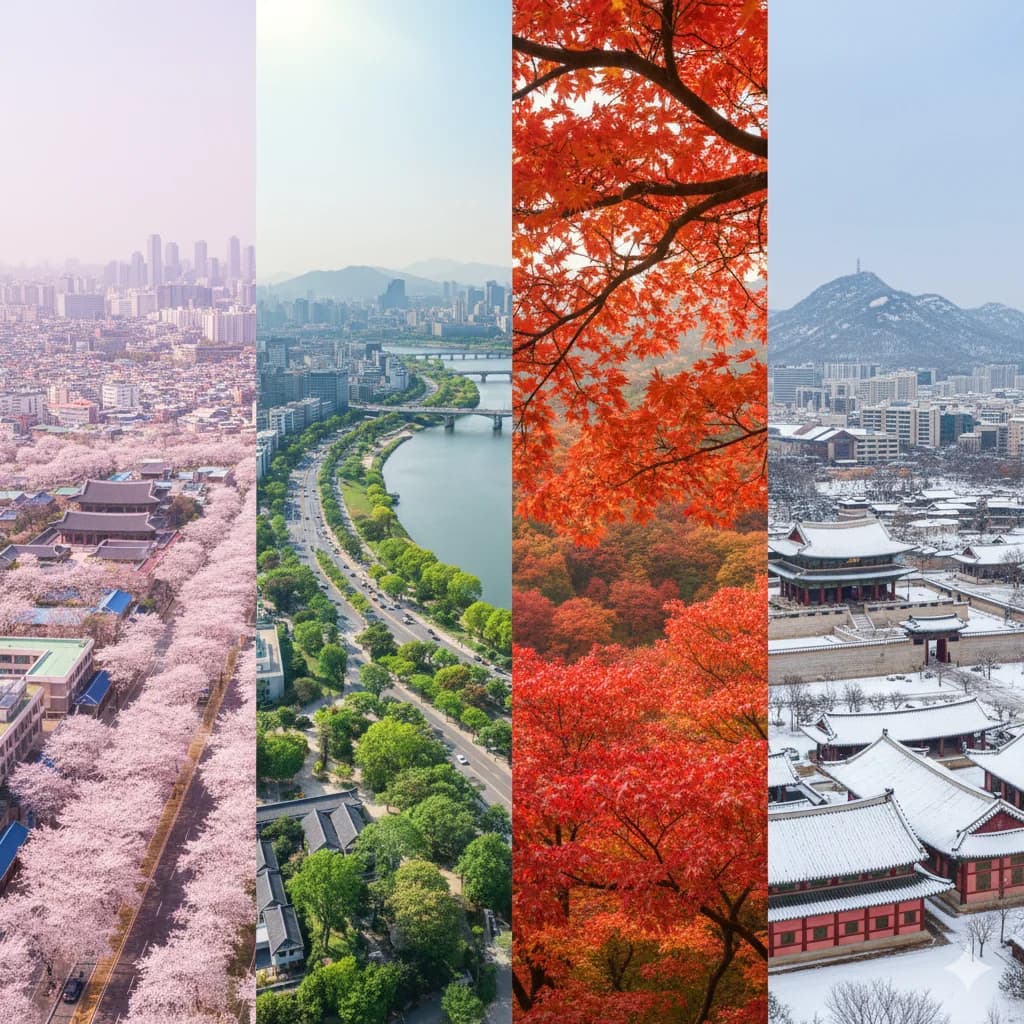
Planning a trip to Korea? One of the most common questions travelers ask is: “What should I wear?” Korea has four very distinct seasons, and the temperature swings can be dramatic — from -10°C in January to 35°C in August.
This guide breaks down the weather month by month so you can pack smart and stay comfortable throughout your trip.
Monthly Weather at a Glance
| Month | Avg. High | Avg. Low | Rainfall | What to Expect |
|---|---|---|---|---|
| January | -1°C (30°F) | -8°C (18°F) | 20mm | Coldest month. Dry, crisp, and freezing. |
| February | 3°C (37°F) | -6°C (21°F) | 25mm | Still very cold, but slightly warmer toward the end. |
| March | 10°C (50°F) | 0°C (32°F) | 45mm | Early spring. Cold mornings, mild afternoons. |
| April | 17°C (63°F) | 6°C (43°F) | 65mm | Cherry blossom season! Warm days, cool nights. |
| May | 23°C (73°F) | 12°C (54°F) | 80mm | Perfect weather. Warm and sunny. |
| June | 27°C (81°F) | 18°C (64°F) | 130mm | Rainy season (장마) begins late June. |
| July | 29°C (84°F) | 22°C (72°F) | 370mm | Peak rainy season. Hot and very humid. |
| August | 30°C (86°F) | 23°C (73°F) | 280mm | Hottest month. Intense heat and humidity. |
| September | 26°C (79°F) | 17°C (63°F) | 140mm | Heat fades. Pleasant by late September. |
| October | 20°C (68°F) | 9°C (48°F) | 50mm | Autumn foliage. Best month to visit. |
| November | 11°C (52°F) | 2°C (36°F) | 50mm | Rapidly cooling. Late fall vibes. |
| December | 2°C (36°F) | -5°C (23°F) | 25mm | Cold and dry. Winter has arrived. |
Temperatures are based on Seoul averages. Southern cities like Busan are 3-5°C warmer; Jeju is milder year-round.
Spring (March – May)
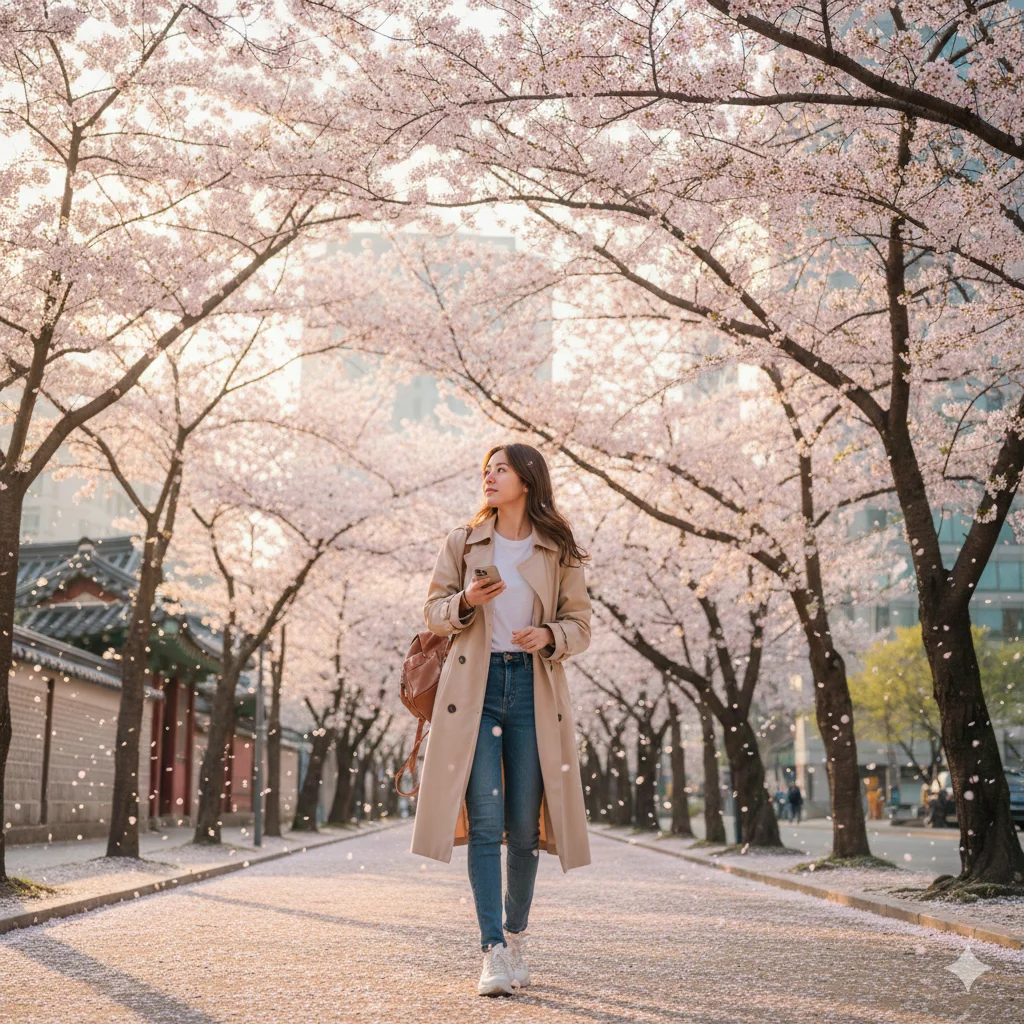
Spring in Korea is beautiful but unpredictable. March mornings can still feel like winter, while May afternoons feel like summer.
What to Wear
March: Winter coat is still needed for mornings and evenings. Layer with a hoodie or fleece underneath. Bring a light scarf.
April: A light jacket or trench coat is perfect. Long sleeves during the day, add a layer at night. This is cherry blossom season — pack something you look good in for photos!
May: T-shirts and light pants during the day. Bring a thin cardigan for evenings. Sunscreen becomes essential.
Spring Packing Checklist
- Light jacket or trench coat
- Layerable long-sleeve shirts
- Comfortable walking shoes
- Sunglasses
- Small umbrella (April showers are common)
Summer (June – August)
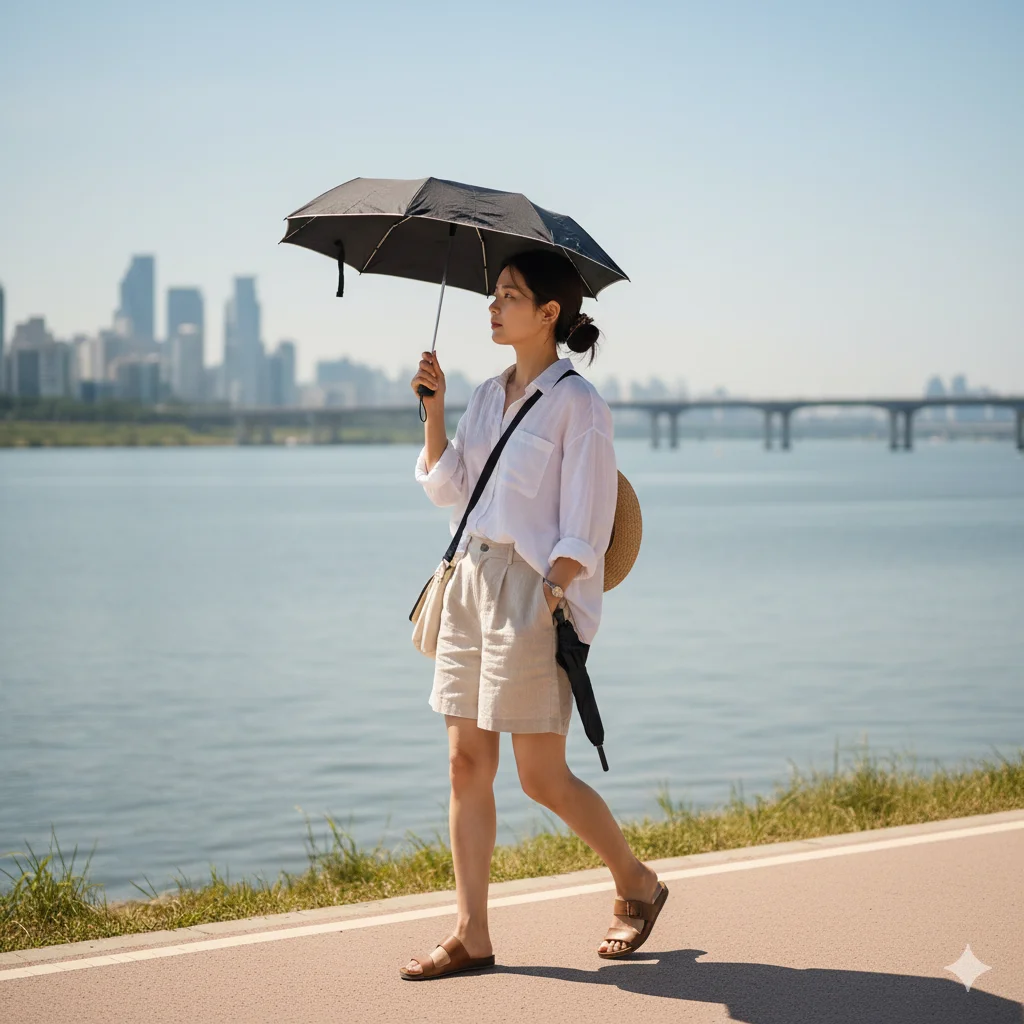
Korean summers are hot and humid. July and August regularly hit 30°C+ with humidity above 80%. The rainy season (장마, jangma) typically runs from late June to mid-July, bringing heavy downpours.
What to Wear
June: Light, breathable clothing. Cotton or linen shirts, shorts, and sandals. Carry a compact umbrella — rain can start suddenly.
July – August: As light as possible. Thin fabrics, shorts, and breathable shoes. You’ll sweat through anything heavy. Most buildings have strong air conditioning, so a light cardigan can be useful indoors.
Summer Packing Checklist
- Breathable cotton/linen clothing
- Shorts and light pants
- Sandals + comfortable walking shoes
- Compact umbrella or rain jacket (essential!)
- Sunscreen (SPF 50+)
- Portable fan (available at every convenience store for ~₩5,000)
- Light cardigan for air-conditioned spaces
Pro Tip
Korean convenience stores sell cheap folding umbrellas (₩5,000–₩7,000) and portable neck fans. Don’t worry if you forget to pack these — you can grab them at any CU, GS25, or 7-Eleven.
Autumn (September – November)
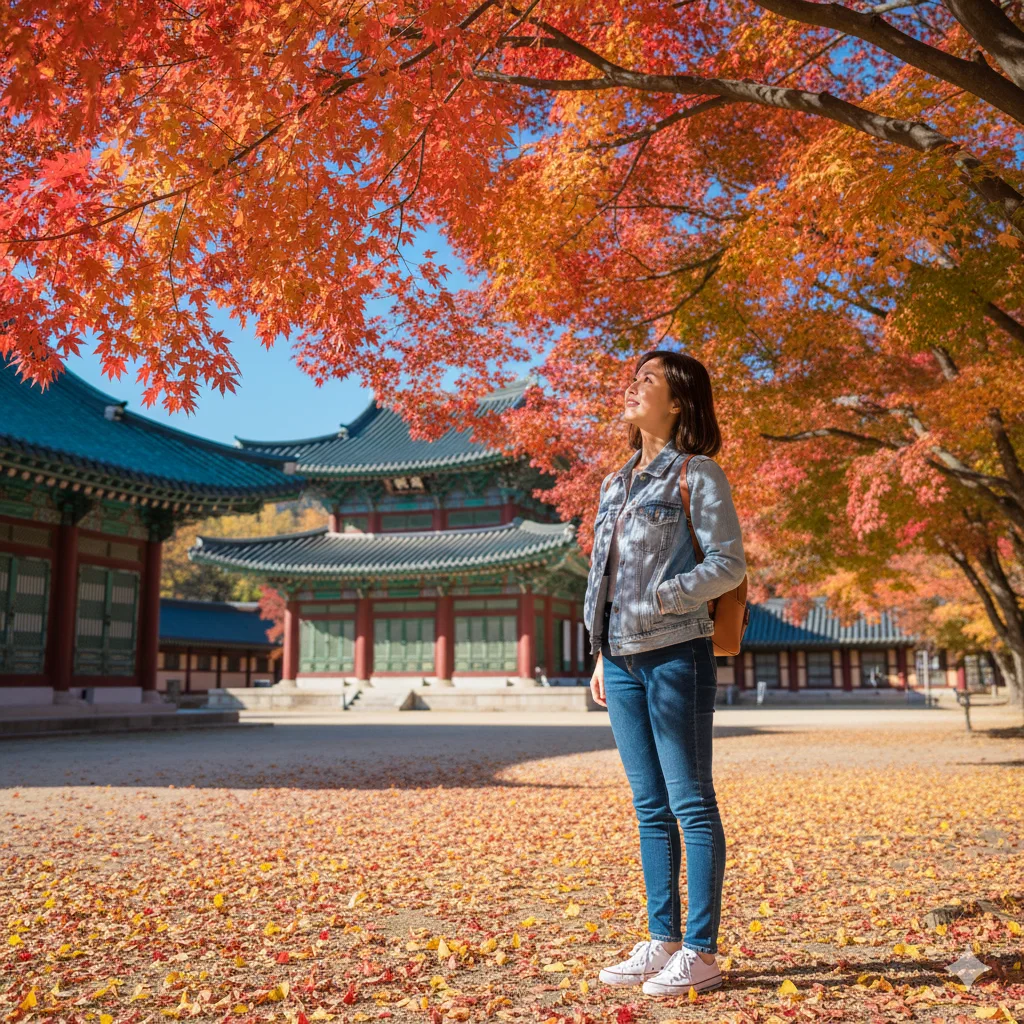
Autumn is widely considered the best time to visit Korea. October in particular offers clear skies, comfortable temperatures, and stunning fall foliage across the country.
What to Wear
September: Still warm during the day (mid-20s). T-shirts work, but bring a light jacket for evenings as temperatures drop quickly after sunset.
October: The sweet spot. A medium-weight jacket, jeans, and sneakers. Perfect layering weather — start with a t-shirt and add a flannel or light sweater.
November: Winter is approaching. You’ll need a warm coat by mid-November. Scarves and light gloves are a good idea for late November.
Autumn Packing Checklist
- Medium-weight jacket (denim, bomber, or fleece)
- Layerable tops (t-shirts + sweaters)
- Jeans or comfortable pants
- Comfortable walking shoes (lots of hiking during foliage season)
- Light scarf (late October onward)
Winter (December – February)
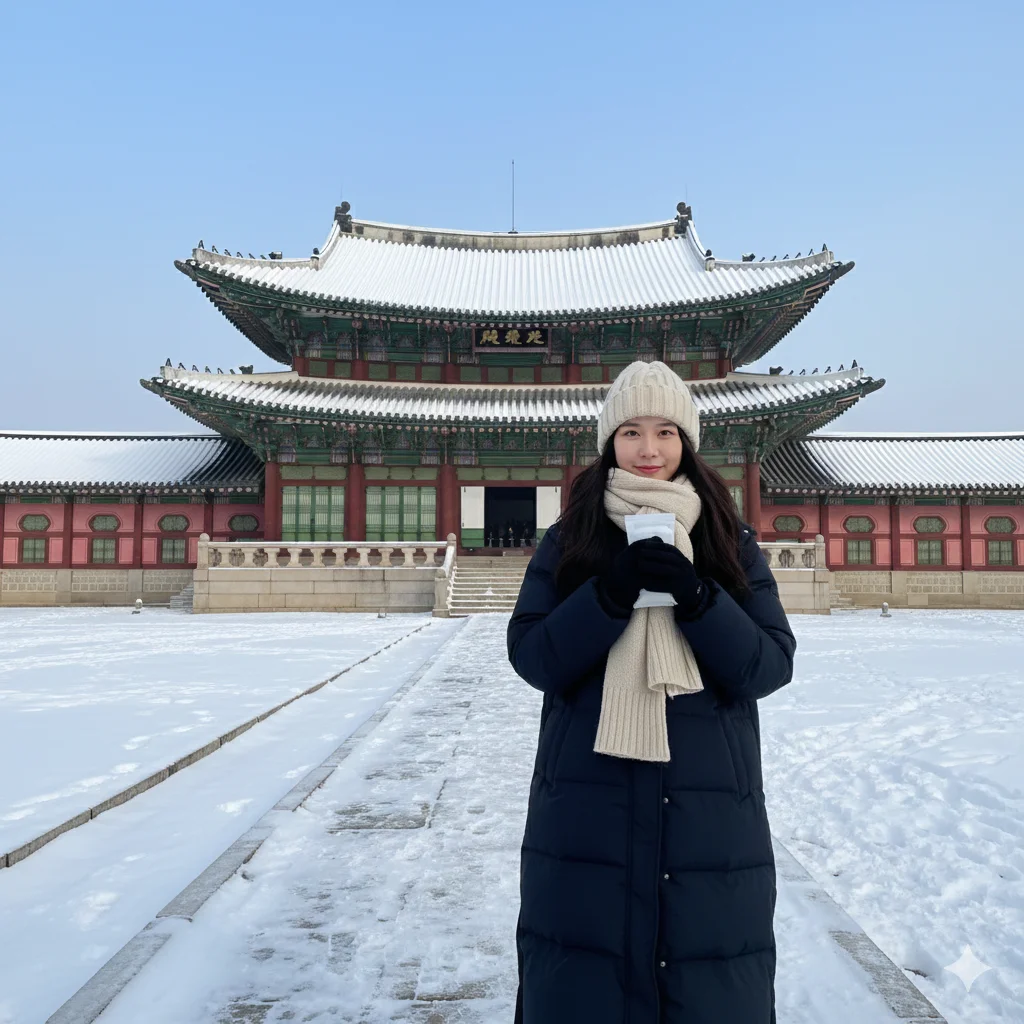
Korean winters are cold and dry, especially in Seoul. Temperatures regularly drop below -10°C in January. The cold is a sharp, biting cold due to winds from Siberia. However, it rarely rains or snows heavily, so the skies are often clear.
What to Wear
December – February: Full winter gear. A heavy padded coat (known as 롱패딩 or “long padding” in Korea — you’ll see them everywhere) is essential. Layer with thermal underwear, a warm sweater, and a wind-resistant outer layer.
Your extremities will suffer the most. Thick gloves, a warm beanie or ear muffs, and a scarf are non-negotiable. Heated insoles or hand warmers (핫팩, hotpack) are sold at every convenience store for about ₩1,000 each.
Winter Packing Checklist
- Heavy winter coat (long padded coat recommended)
- Thermal underwear (top and bottom)
- Warm sweaters and fleece layers
- Thick socks and waterproof boots
- Gloves, scarf, and beanie
- Hand warmers (or buy them locally for ₩1,000)
Pro Tip
Don’t overpack winter clothes. Korea’s “long padding” coats are trendy, affordable (₩50,000–₩150,000 at stores like UNIQLO, SPAO, or Daiso), and a great souvenir. Many travelers buy one on arrival.
Best Months to Visit
| Priority | Months | Why |
|---|---|---|
| Best | October | Perfect weather, fall foliage, zero rain |
| Great | April – May | Cherry blossoms, warm spring, low humidity |
| Good | September, November | Pleasant but transitional |
| Challenging | July – August | Extreme heat and monsoon rain |
| Cold but beautiful | December – February | Winter wonderland, fewer tourists, budget-friendly |
Final Tips
Layer, layer, layer. Korean weather changes fast, and indoor spaces (subway, malls, cafes) are heavily air-conditioned in summer and heated in winter. Layers let you adapt.
Check the forecast before you go. While this guide gives averages, specific years can vary. The rainy season dates shift slightly each year.
Buy locally if needed. Korea has incredible shopping for affordable, trendy clothing. UNIQLO, SPAO, and underground shopping malls near subway stations offer great deals.
Shoes matter. You’ll walk a lot in Korea. Comfortable walking shoes are more important than any clothing item. In summer, waterproof sandals are a lifesaver during rain.
Have questions about what to pack? Drop a comment below and we’ll help you plan!
Show to Staff
Useful Korean Phrases
Tap any phrase to show it full-screen on your phone
제 사이즈 있나요?
je sa-i-jeu in-na-yo?
Do you have my size?
옷 가게가 어디에 있나요?
ot ga-ge-ga eo-di-e in-na-yo?
Where is a clothing store?
얼마예요?
eol-ma-ye-yo?
How much is it?
우산 있어요?
u-san i-sseo-yo?
Do you have an umbrella?
너무 추워요
neo-mu chu-wo-yo
It's too cold
너무 더워요
neo-mu deo-wo-yo
It's too hot
Join the Conversation
Comments
Loading comments...
Sign in with Google to leave a comment